
Sustainable Travel in Andalusia, at a Slower Pace
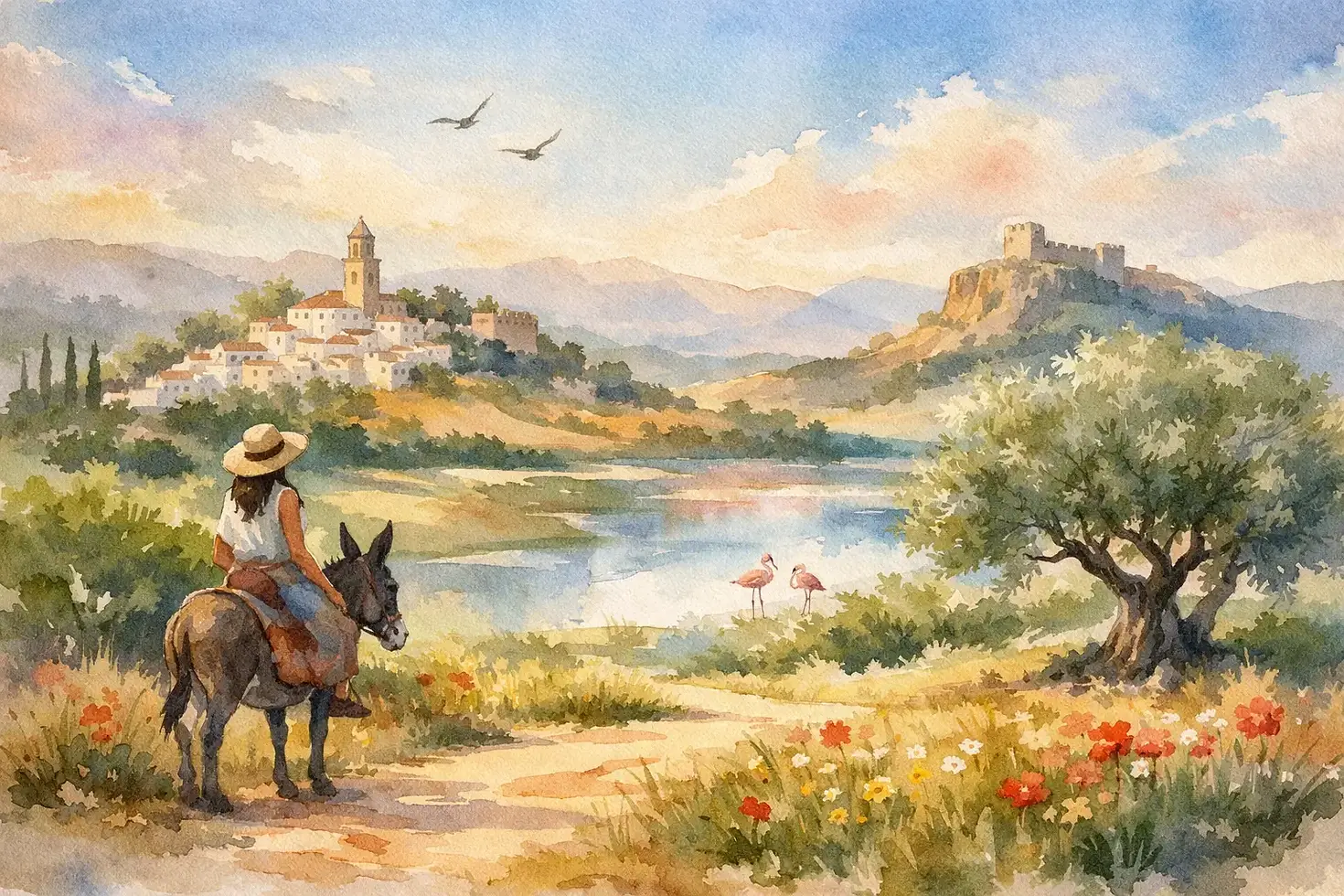
The mountain light arrives softly in Torrox. It rests on olive leaves, warms whitewashed walls, and makes even an unhurried morning coffee feel like part of the landscape. Sustainable travel in Andalusia begins in moments like this: choosing to stay long enough to notice where you are, and gently enough to leave its character intact.
This is not about making a holiday feel restrictive or turning every choice into a calculation. It is about traveling with more care and, often, more pleasure. Andalusia rewards the visitor who lingers - who takes the winding road rather than racing between landmarks, eats what is growing nearby, and lets a small village set the pace for the day.
Sustainable Travel in Andalusia Starts With Time
Andalusia is sometimes treated as a checklist: Seville, Granada, Córdoba, the coast, perhaps a famous beach or two, all folded into one short itinerary. Those places are beautiful, but constant movement can make even a dream trip feel hurried. It also places more pressure on roads, transport networks, and the places that receive the greatest number of visitors.
A slower itinerary is one of the most meaningful choices you can make. Pick one or two regions and give them room. Spend several nights in a mountain casita, a village guesthouse, or a small family-run stay. Learn the route to the bakery. Return to the same café. Watch how the hills change color in the late afternoon.
Staying longer reduces the need for repeated transfers and gives your spending a better chance of reaching the local economy. More importantly, it changes the feeling of the trip. You are no longer passing through scenery. You begin to recognize it.
For travelers arriving from the US, flying is often unavoidable. The most practical response is not perfection, but intention. Consider a longer stay rather than a quick weekend escape, travel overland once you are in Spain where possible, and avoid adding unnecessary domestic flights to an already full itinerary. One well-chosen base can be more restorative than three hotel check-ins.
Choose a Base That Respects Its Setting
Where you sleep shapes the footprint and spirit of your stay. Large resorts and busy coastal developments can be convenient, but they may ask more of water, energy, and local infrastructure during the hottest, driest months. A small, thoughtfully managed rural property offers a different relationship with place - especially when it is designed to work with its surroundings rather than against them.
Look for accommodation that is open about how it manages water, waste, energy, and cleaning. In rural Andalusia, water awareness is especially meaningful. Summers are long and dry, and the landscape does not need the habits of a city break imposed upon it. Reusing towels when appropriate, taking shorter showers, and choosing a pool-free or carefully managed property are modest actions that matter when many guests make them.
Privacy and sustainability can sit beautifully together. A single casita in the mountains, with no crowds beyond the gate, asks for less spectacle and offers more space to breathe. At PASO PASO, the idea is simple: our home, your casita. Guests can settle into the quiet, enjoy the comfort of an intentional stay, and experience the land without needing it to perform.
That does not mean rural travel is automatically low-impact. Driving narrow mountain roads every day to cover long distances can add up, and remote homes may depend more heavily on cars. The balance is to choose a base close to the experiences you truly want, group outings thoughtfully, and leave some days delightfully car-free.
Let the Season Lead Your Table
Few parts of sustainable travel are as joyful as eating locally. Andalusia has a generous food culture built around olive oil, citrus, almonds, tomatoes, seafood, goat cheese, wine, and vegetables shaped by the season. A meal of simple ingredients, prepared with care, can tell you far more about a place than an imported menu ever could.
Visit local markets and small grocers for picnic supplies. Order regional dishes when eating out. Ask what is in season, especially if you are staying in the Axarquía, where mangoes, avocados, grapes, figs, and citrus are part of the agricultural landscape. Choose restaurants that cook with local produce and have a clear connection to their town or village.
This is not a rule against an occasional familiar meal. Travel should be pleasurable, and every traveler has different needs. It is simply an invitation to make local food the center of the experience rather than an afterthought. The ripe peach, the warm loaf of bread, the plate of grilled vegetables shared after a swim - these are often the memories that stay.
Try to buy only what you will use, particularly in a self-catering stay. Bring a reusable water bottle and a small tote for market finds. Glass, paper, and packaging can quickly accumulate on vacation; a little planning keeps the kitchen calmer and the trash lighter.
Move Through Villages With Care
Andalusia’s small towns are lived-in places, not open-air sets. Their narrow streets, plazas, churches, and fountains hold daily life: school runs, deliveries, conversations between neighbors, the afternoon quiet behind shuttered windows. The most respectful visitors take their cues from that rhythm.
Park where permitted rather than squeezing into historic lanes. Keep voices low late at night. Dress thoughtfully when visiting religious spaces. Ask before photographing people, homes, or private gardens. If a village seems quiet in the heat of the afternoon, let it be quiet.
Shopping locally is part of this care. A handmade ceramic bowl, locally pressed olive oil, a jar of honey, or a meal at a family-owned restaurant supports skills and businesses that keep villages alive year-round. It is usually a more meaningful souvenir, too.
Popular destinations need love as well as admiration. If your plans include well-known sites, visit outside the busiest hours, reserve responsibly, and do not assume every beautiful corner needs to be geotagged. Sharing a location can bring welcome business, but it can also overwhelm a small cove, trail, or village square. Sometimes the kindest travel memory is one kept close.
Treat Nature as a Neighbor
The landscapes around Andalusia invite long walks: pine-scented hills, terraced orchards, dry riverbeds, rocky viewpoints, and wide skies bright with stars. Yet these places can be fragile, particularly during heat waves and periods of drought.
Stay on marked trails, carry out every scrap of litter, and do not pick wildflowers or disturb stones, nests, or wildlife for a photograph. Fire safety deserves special attention. Never discard cigarette ends, light unauthorized fires, or assume that a dry patch of ground is safe for a barbecue. Conditions can change quickly, and local restrictions exist for good reason.
If you are walking in the mountains, set out early in warmer months. Carry more water than you think you need, wear sun protection, and tell someone where you are going if the route is remote. Respecting nature also means respecting your own limits. There is no prize for pushing through the midday heat.
A quieter kind of nature experience can be just as rich: reading beneath an olive tree, listening for birds at sunrise, or sitting outside after dark without adding noise or bright outdoor lights. Andalusia’s night skies ask very little of us except attention.
Spend With the Place, Not Just in It
The most sustainable trips create mutual benefit. Your vacation budget can help sustain local farms, guides, artisans, restaurants, and small accommodation businesses, especially outside the peak summer weeks. Traveling in spring, fall, or winter often brings gentler temperatures and fewer crowds, while giving year-round businesses valuable support.
There are trade-offs, of course. Some seasonal restaurants may be closed, and beach weather is less predictable outside summer. But the rewards can be substantial: blossom-filled hillsides in spring, harvest flavors in fall, clear walking days, and a deeper sense of everyday Andalusia.
Book directly with independent businesses when you can. It encourages personal communication, reduces third-party commission costs, and helps small hosts invest back into the guest experience and their local community. Ask for recommendations, then follow them. A host’s favorite family restaurant or quiet walking route is often more valuable than a crowded list of must-sees.
Leave room in your plans for the unplanned. Buy the bread still warm from the oven. Stay for a second coffee in the plaza. Take the sunset slowly, without feeling compelled to drive somewhere else before dark. Sustainable travel is not about doing less because you should. It is about choosing what makes a place, and your time within it, feel more alive.
When you depart, the best measure of a thoughtful stay may be wonderfully simple: you carry home a calmer rhythm, while the mountains, villages, and people who welcomed you have been treated with care.
Comments