
A Gentle Guide to Staying in Rural Andalusia
The first morning often makes the case for you: pale light moving across the mountains, birdsong before breakfast, and no need to claim a sunbed or hurry toward a schedule. This guide to staying in rural Andalusia is for travelers who want Southern Spain to feel less like a checklist and more like a deep exhale.
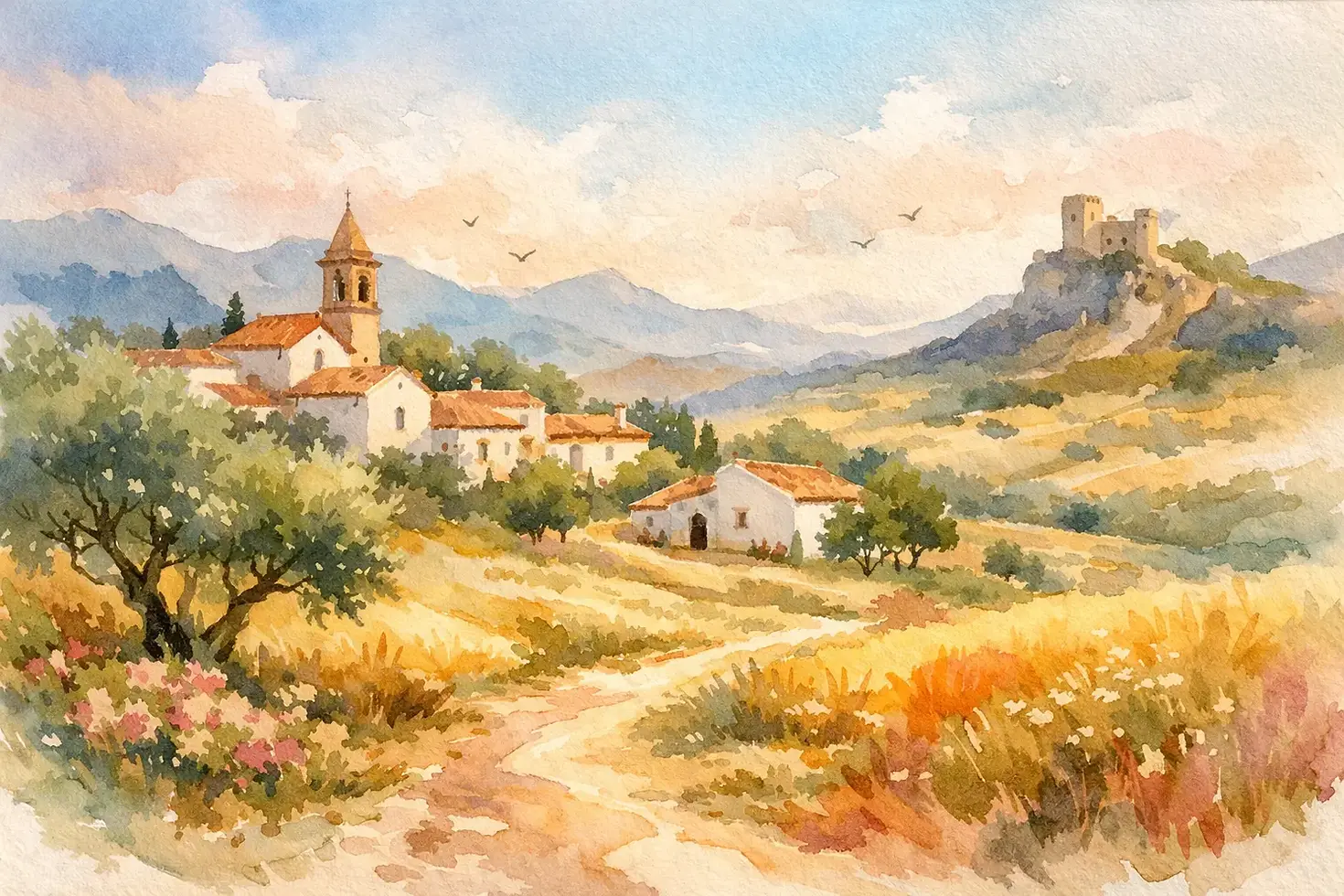
Away from the busy coast and city centers, Andalusia reveals a slower rhythm. White villages cling to hillsides, olive and avocado groves shape the valleys, and the air changes with the altitude. A rural stay can be wonderfully simple, but its pleasures are best enjoyed with a little planning and a willingness to leave room in the day.
Choose the kind of quiet you need
Rural Andalusia is not one landscape. A casita in the Alpujarras feels very different from a farmhouse near Córdoba or a mountain hideaway above the Mediterranean. Before booking, think about what you want to be close to: village life, walking trails, beaches, vineyards, historic cities, or simply open views and privacy.
The Axarquía, the eastern corner of Málaga province, is especially appealing for travelers who would like both mountain calm and the coast within reach. Around Torrox, winding country roads lead through orchards and small hamlets, while the sea remains a lovely option for an afternoon swim or a seafood lunch. It is a gentle balance for couples who do not want to choose between a rural retreat and a Mediterranean holiday.
Privacy comes in different forms, too. Some country properties are part of a busy estate or sit close to neighboring rentals. Others offer a single, independent guest space. If solitude matters to you, ask whether you will be the only guests on the property, how close the nearest homes are, and whether outdoor areas are exclusively yours. There is a special ease in knowing the sunset terrace, pool, or garden is yours to enjoy in your own time.
Let the season shape your stay
Andalusia has a reputation for sun, and deservedly so, but rural travel is not only a summer affair. Each season offers its own version of beauty.
Spring is soft, green, and full of wildflowers. It is one of the loveliest times for walking, long lunches outdoors, and seeing the countryside at its most alive. Days are usually warm without being intense, although evenings in the mountains can still call for a sweater.
Summer brings long, bright days and a slower pace by necessity. Inland heat can be strong, especially from late morning through the afternoon. A rural casita with shade, a pool, good ventilation, or air conditioning makes a real difference. Plan early walks, unhurried breakfasts, and late dinners when the air cools. The reward is a warm, star-filled night and the scent of dry herbs on the breeze.
Fall is often quietly perfect. The sea holds its warmth, village life settles after peak season, and the light turns honey-colored. It suits travelers who want to read, cook, drive through the hills, and enjoy the landscape without the summer rush.
Winter in the mountains can be crisp, clear, and deeply peaceful. You may find sunny lunch hours followed by chilly evenings beside a fire. Do not assume southern Spain means balmy nights year-round. Check the heating arrangements, especially in older stone properties, and bring layers. For many guests, this coziness is part of the charm.
A practical guide to staying in rural Andalusia
A rental car is usually the key to freedom. Public transportation works well between major towns and cities, but country homes, trailheads, and small villages are rarely connected in a way that suits an independent holiday. Choose a car you feel comfortable driving rather than the largest one available. Narrow village lanes, tight parking spaces, and mountain bends reward confidence more than extra luggage room.
Do not rush your arrival. Country roads can be steep, curving, and unfamiliar after dark, and navigation apps do not always understand local access tracks perfectly. If possible, arrive in daylight, download directions before leaving the airport, and keep your host’s arrival instructions handy. It is also wise to stop for groceries before reaching your accommodation, particularly on Sundays or local holidays when smaller shops may close.
The final stretch of a mountain road can look more dramatic on a map than it feels in person. Still, ask candid questions before reserving if you are nervous about driving, traveling with limited mobility, or renting a low-clearance car. A thoughtful host will tell you what to expect. Rural comfort should never depend on a surprise.
Pack for real country days
Bring comfortable walking shoes, even if you do not consider yourself a hiker. Cobbled village streets, uneven paths, and garden terraces ask more of your feet than city sidewalks. A light rain jacket is useful in spring and fall, while sunscreen, a hat, and a refillable water bottle belong in every season.
Mosquito repellent can be helpful near water in warmer months. So can a small tote for market finds: local goat cheese, ripe fruit, fresh bread, olive oil, and perhaps a bottle from a nearby bodega. Rural Andalusia invites you to eat simply and very well.
Make room for village life
The joy of the countryside is not only in being alone. It is also in stepping into a village café where the morning regulars know one another, ordering a coffee at the bar, and watching the day begin without performance.
Learn a few Spanish phrases and use them warmly. English is spoken in many visitor areas, but less consistently in small villages. A friendly “Buenos días,” “Gracias,” and “La cuenta, por favor” go a long way. If lunch begins later than you are used to, lean into it. Spanish meal times can feel gloriously unhurried, especially when a table is shaded and the view is doing half the work.
Markets are worth seeking out, not as an obligation but as a window into the season. Ask about local produce and regional specialties. In the hills around Málaga, you may find almonds, citrus, avocados, raisins, olives, honey, and excellent wines. Buy what looks good, then build an evening around it at your casita rather than trying to fit another restaurant reservation into the day.
Respecting the local rhythm also means accepting quieter hours. Some businesses close in the afternoon. Dinner may start later. A village can look almost still at 3 p.m. and come alive again after sunset. This is not inconvenience so much as an invitation to rest.
Plan less, notice more
It is tempting to use a rural base as a launchpad for a different destination every day. Málaga, Granada, Ronda, Nerja, and countless villages may all call to you. A few day trips can add color to a stay, but leave blank space between them. Long distances, mountain roads, and the warmth of the day can turn an ambitious itinerary into something that feels strangely rushed.
Choose one meaningful outing, then let the rest of the day unfold. Walk to a viewpoint. Read beneath an olive tree. Take a late swim. Cook with ingredients from the market. Sit outside after dark and listen for owls, distant bells, or nothing at all.
For a stay of three or four nights, one larger excursion and one village day may be enough. With a week or more, you can travel farther while still allowing the property itself to become part of the experience. The best rural accommodations do not merely provide a bed between activities. They make staying put feel like a good plan.
Travel gently in a living landscape
The countryside is beautiful because people live and work within it. Farms, terraces, water supplies, and woodland paths are not a backdrop created for visitors. Treat them with care.
Conserve water, particularly during dry periods. Keep noise low at night, drive slowly through villages, and follow marked paths where they exist. Take your trash with you after a picnic, and avoid leaving food outside that may attract animals. If you rent a rural home, use its resources thoughtfully: close windows when air conditioning is on, switch off lights, and ask before assuming a fireplace, pool, or outdoor area has the same rules as a city hotel.
A small, family-run stay can make this kind of travel feel more personal. At PASO PASO, for example, the feeling is not of passing through a property but of being welcomed into a place cared for with intention - our home, your casita. That kind of hospitality encourages a more attentive way of being there.
Give yourself permission to arrive slowly
The first day may feel almost too quiet if you are used to filling every hour. Let that feeling pass. Make a simple meal, open the windows, and watch the color change on the hills. By the second morning, the absence of pressure begins to feel like a luxury.
Rural Andalusia is generous with small moments: oranges on a branch, a church bell across the valley, cold water after a walk, a table set outside as the heat fades. Come with a few plans, a reliable car, and enough time to change your mind. The countryside has a way of reminding you that a beautiful day does not need to be busy to be full.
Comments